
 admin
admin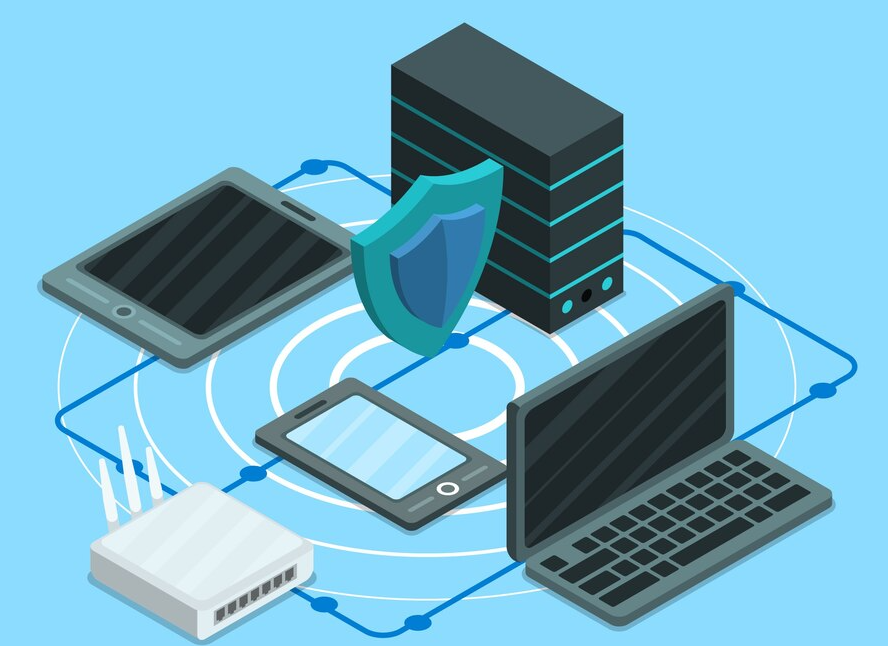
Network Security
Network security is a major part of cyber security practice, the key principles of network security are Confidentiality, Integrity, and availability. Confidentiality is the protection of information from unauthorized disclosure or access, Integrity is the prevention of information from damage or modification by an unauthorized user, and Availability is to assure that the information is available timely and uninterrupted. Network security must be implemented in a way that information is protected from both unauthorized persons outside of the network, i.e. From the internet, and unauthorized persons inside the network (network user).
Businesses around the world use a combination of Intrusion Detection Systems, Encryption Tools, Firewalls, Anti-Malware, Network monitoring, and Security management systems as Network Security Tools to protect their networks from attacks and unauthorized access. Network Security is the practice or process designed to protect the network from unauthorized access or use. This process targets a variety of threats and stops them from entering or spreading on your network.
Network security combines multiple layers of defenses at the edge and in the network. Network security engineers must have a clear idea of what application and what layer of network security to protect; below are some types of network security.
Types of Network Security
- Access control
Not every user should have access to your network. To keep out potential attackers, you need to recognize each user and each device. Then you can enforce your security policies. You can block noncompliant endpoint devices or give them only limited access. This process is network access control (NAC). - Antivirus and Antimalware software
“Malware,” short for “malicious software,” includes viruses, worms, Trojans, ransomware, and spyware. Sometimes malware will infect a network but lay dormant for days or even weeks. The best anti-malware programs not only scan for malware upon entry, but also continuously track files afterward to find anomalies, remove malware, and fix the damage. - Application security
Any software you use to run your business needs to be protected, whether your IT staff builds it or whether you buy it. Unfortunately, any application may contain holes, or vulnerabilities, that attackers can use to infiltrate your network. Application security encompasses the hardware, software, and processes you use to close those holes. - Health and Behavioral Analytics
To detect abnormal network behavior, you must know what normal behavior looks like. Behavioral analytics tools automatically discern activities that deviate from the norm. Your security team can then better identify indicators of compromise that pose a potential problem and quickly immediate threats. - Data security and data loss prevention
Organizations must make sure that their staff does not send sensitive information outside the network. Data loss prevention, or DLP, technologies can stop people from uploading, forwarding, or even printing critical information in an unsafe manner. - Email security
Email gateways are the number one threat vector for a security breach. Attackers use personal information and social engineering tactics to build sophisticated phishing campaigns to deceive recipients and send them to sites serving up malware. An email security application blocks incoming attacks and controls outbound messages to prevent the loss of sensitive data. - Firewalls
Firewalls put up a barrier between your trusted internal network and interested outside networks, such as the Internet. They use a set of defined rules to allow or block traffic. A firewall can be hardware, software, or both. Cisco offers unified threat management (UTM) devices and threat-focused next-generation firewalls. - Intrusion prevention systems
An intrusion prevention system (IPS) scans network traffic to actively block attacks. Cisco Next-Generation IPS (NGIPS) appliances do this by correlating huge amounts of global threat intelligence to not only block malicious activity but also track the progression of suspect files and malware across the network to prevent the spread of outbreaks and reinfection. - Mobile device security
Cybercriminals are increasingly targeting mobile devices and apps. Within the next 3 years, 90 percent of IT organizations may support corporate applications on personal mobile devices. Of course, you need to control which devices can access your network. You will also need to configure their connections to keep network traffic private. - Network segmentation
Software-defined segmentation puts network traffic into different classifications and makes enforcing security policies easier. Ideally, the classifications are based on endpoint identity, not mere IP addresses. You can assign access rights based on role, location, and more so that the right level of access is given to the right people and suspicious devices are contained and remediated. - Security information and event management
SIEM products pull together the information that your security staff needs to identify and respond to threats. These products come in various forms, including physical and virtual appliances and server software. - VPN
A virtual private network encrypts the connection from an endpoint to a network, often over the Internet. Typically, a remote-access VPN uses IPsec or Secure Sockets Layer to authenticate the communication between the device and the network. - Web security
A web security solution will control your staff’s web use, block web-based threats, and deny access to malicious websites. It will protect your web gateway on-site or in the cloud. “Web security” also refers to the steps you take to protect your own website. - Wireless Security
Wireless networks are not as secure as wired ones. Without stringent security measures, installing a wireless LAN can be like putting Ethernet ports everywhere, including the parking lot. To prevent an exploit from taking hold, you need products specifically designed to protect a wireless network.
Network Security Architecture Designs – Network Security Architecture is the organization and design structure of hardware and software resources that protect an entire network from unauthorized access, use, or disclosure of data.
Network security is not limited to protection against both insider and outsider threats. . Financial losses through a cyber attack in any organization are usually carried out by network users in a network. There are ways of protecting against insider threats. To reduce the risk and improve protection in a network, the combination of an Intrusion Detection System, Encryption Tools, Firewalls, Anti-Malware, Network monitoring, and a Security management system as the best network security tool to protect the network from network attacks and unauthorized access.
Cybersecurity Tips and Advice for Understanding Network Security in Cybersecurity
Network security is a core pillar of cybersecurity that focuses on protecting computer networks, data, devices, and users from unauthorized access, cyberattacks, and data breaches. It involves a combination of hardware, software, policies, and monitoring systems designed to ensure confidentiality, integrity, and availability of information across a network. In today’s connected world, where businesses and individuals rely heavily on the internet, strong network security is essential to prevent hackers from exploiting vulnerabilities in communication systems.


Practical Scenario: Unsecured Office Network Attack
Imagine a small business using an unsecured Wi-Fi network without a firewall or encryption. An attacker nearby connects to the same network and begins monitoring traffic.
Within hours:
- Employee login credentials are intercepted.
- Sensitive company files are accessed.
- Malware is injected into internal systems.
- Customer data is compromised.
This scenario shows how weak network security can lead to severe cyberattacks and data breaches.
Key Components of Network Security
🔐 Firewalls
Firewalls act as the first line of defense by monitoring and controlling incoming and outgoing network traffic based on security rules.
They help block:
- Unauthorized access attempts.
- Malicious traffic.
- Suspicious IP addresses.
🛡 Intrusion Detection and Prevention Systems (IDS/IPS)
These systems monitor network traffic for suspicious activity.
- IDS detects threats and alerts administrators.
- IPS actively blocks malicious traffic in real time.
🌐 Virtual Private Networks (VPNs)
VPNs encrypt internet traffic and hide user IP addresses, ensuring secure communication over public networks.
🔑 Authentication and Access Control
Ensures only authorized users can access network resources.
Includes:
- Multi-factor authentication (MFA).
- Role-based access control (RBAC).
- Strong password policies.
📡 Network Monitoring Tools
Continuous monitoring helps detect:
- Unusual traffic spikes.
- Unauthorized access attempts.
- Malware communication patterns.
🔒 Encryption
Encryption protects data during transmission and storage, making it unreadable to attackers.
Types of Network Security
🏢 Perimeter Security
Protects the boundary between internal and external networks using firewalls and gateways.
🧑💻 Endpoint Security
Secures devices connected to the network such as laptops, phones, and servers.
☁ Cloud Network Security
Protects cloud-based infrastructure and services from unauthorized access.
🧠 Application Layer Security
Focuses on securing applications running on the network against vulnerabilities like SQL injection and cross-site scripting.
Common Network Security Threats
🦠 Malware
Malicious software that spreads through networks, causing damage or data theft.
🎣 Phishing Attacks
Trick users into revealing sensitive information through fake emails or websites.
💣 DDoS Attacks
Overwhelm networks with traffic, causing service disruption.
🕵 Man-in-the-Middle Attacks
Attackers intercept communication between two parties without their knowledge.
🔓 Unauthorized Access
Hackers gain access to restricted systems using stolen credentials or vulnerabilities.
Best Practices for Strong Network Security
🔐 Use Strong Passwords and MFA
Protect network access points with complex passwords and multi-factor authentication.
🔄 Regular Software Updates
Keep all systems, routers, and security tools updated to patch vulnerabilities.
🛡 Install and Configure Firewalls
Ensure proper firewall rules are in place to filter malicious traffic.
📊 Monitor Network Traffic
Use security tools to detect unusual activity and respond quickly.
🚫 Restrict User Access
Apply the principle of least privilege to limit access to sensitive resources.
📡 Secure Wireless Networks
Use:
- WPA3 encryption.
- Strong Wi-Fi passwords.
- Hidden SSIDs where necessary.
💾 Backup Network Data
Regular backups ensure recovery after cyberattacks or system failures.
🎓 Conduct Cybersecurity Training
Educate employees on:
- Phishing awareness.
- Safe browsing practices.
- Secure password usage.
Real-World Impact of Poor Network Security
Weak network security can result in:
- Data breaches.
- Financial losses.
- Business downtime.
- Identity theft.
- Reputational damage.
- Regulatory penalties.
Organizations often take years to recover from major network security incidents.
Useful Cybersecurity Resources
🇺🇸 CISA Cybersecurity Guidance
Provides network security best practices and alerts.
🌐 NIST Cybersecurity Framework
Offers structured guidelines for securing network infrastructure.
🌐 Cisco Security Resources
Provides enterprise-grade network security solutions and learning materials.
🌐 OWASP Foundation
Focuses on application and network security vulnerabilities.
🌐 Cloudflare Learning Center
https://www.cloudflare.com/learning
Offers insights into DDoS protection, firewalls, and secure networking.
Final Thoughts
Network security is a fundamental aspect of cybersecurity that protects the backbone of digital communication systems. Without strong network defenses, attackers can easily exploit vulnerabilities to steal data, disrupt services, and compromise entire organizations.
By implementing firewalls, intrusion detection systems, encryption, secure authentication, and continuous monitoring, individuals and businesses can significantly reduce the risk of cyberattacks.
In an increasingly connected world, network security is not optional—it is essential for protecting digital assets, maintaining trust, and ensuring uninterrupted operations.
Check the Network Security Assessment to learn more about the steps that need to be followed to prepare yourself for designing your secure network.
Follow Us
Stay connected with us on social media to receive updates on our latest posts.
Follow us on: Facebook | Instagram



)
)