
 admin
admin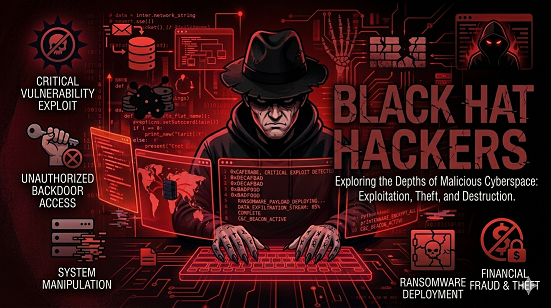
Who Are Black Hat Hackers
In the world of cybersecurity, the term black hat hacker refers to individuals or groups that use their technical skills for malicious, unethical, and illegal purposes. Unlike ethical hackers, who work to strengthen digital defenses, black hat hackers exploit vulnerabilities in computer systems, networks, applications, and connected devices to steal information, disrupt services, or generate financial gain. Their activities pose some of the greatest threats to individuals, businesses, and governments worldwide. Black hat hackers operate without authorization and often target organizations using sophisticated attack techniques. Their actions have contributed to some of the largest cyber incidents in history, causing billions of dollars in damages annually. According to the U.S. Cybersecurity and Infrastructure Security Agency (CISA), cybercriminals continue to evolve their tactics, making cybersecurity awareness and protection more important than ever.
Useful resources:
- https://www.cisa.gov
- https://www.cloudflare.com/learning/security/what-is-a-black-hat-hacker/
- https://www.ibm.com/topics/cybersecurity
Characteristics of Black Hat Hackers
Black hat hackers are primarily motivated by:
- Financial gain
- Revenge or personal motives
- Political or ideological agendas
- Espionage
- Fame and reputation within underground communities
- Curiosity combined with malicious intent
Unlike white hat hackers and many gray hat hackers, black hat hackers intentionally violate laws and ethical standards.
Common Activities of Black Hat Hackers
1. Unauthorized Access
One of the defining characteristics of black hat hackers is gaining access to systems without permission. They exploit weak passwords, software flaws, or security misconfigurations to bypass defenses and compromise networks.
Unauthorized access can lead to data breaches, service disruptions, and complete system takeovers.
2. Data Theft
Data is one of the most valuable assets in the digital age. Black hat hackers frequently target:
- Personal information
- Banking credentials
- Medical records
- Intellectual property
- Trade secrets
- Customer databases
Stolen information is often sold on underground marketplaces or used for fraud and identity theft.
Mind-blowing fact: Some stolen records sell for just a few dollars on dark web markets, while databases containing millions of user accounts can generate millions of dollars for cybercriminal groups.
Learn more:
https://www.fbi.gov/investigate/cyber
3. Malware Development and Deployment
Black hat hackers create malicious software, commonly known as malware, to infect computers and networks. These include:
- Viruses
- Worms
- Trojan horses
- Spyware
- Rootkits
- Ransomware
Malware enables attackers to steal information, monitor victims, or completely disable systems.
Did you know?
The infamous WannaCry ransomware attack of 2017 infected more than 200,000 computers across 150 countries within days, disrupting hospitals, businesses, and government agencies.
More information:
4. Denial-of-Service (DoS) and DDoS Attacks
Black hat hackers often launch Denial-of-Service (DoS) or Distributed Denial-of-Service (DDoS) attacks to overwhelm websites and networks with massive traffic, causing them to crash or become inaccessible.
These attacks can result in:
- Financial losses
- Service interruptions
- Damaged reputation
- Customer dissatisfaction
Major corporations, financial institutions, and government websites have all experienced such attacks.
5. Phishing and Social Engineering
Not all cyberattacks rely on advanced programming. Many black hat hackers exploit human psychology through social engineering.
Common techniques include:
- Fake emails
- Fraudulent websites
- SMS scams
- Voice phishing (vishing)
- Business email compromise
Their goal is to trick victims into revealing:
- Passwords
- Credit card details
- Banking information
- Personal identities
Surprising fact: Human error is involved in a large percentage of cybersecurity incidents, making people one of the weakest links in security.
Reference:
https://www.verizon.com/business/resources/reports/dbir
6. Exploiting Software Vulnerabilities
Black hat hackers actively search for weaknesses in:
- Operating systems
- Web applications
- Mobile applications
- Cloud services
- Internet of Things (IoT) devices
They may exploit publicly known vulnerabilities or discover previously unknown flaws called zero-day vulnerabilities.
Mind-blowing information: A single zero-day vulnerability can sometimes be worth millions of dollars and may be purchased by governments, intelligence agencies, or private organizations.
More information:
7. Identity Theft
Identity theft is another common activity associated with black hat hackers. Stolen identities can be used to:
- Open bank accounts
- Commit financial fraud
- Obtain loans
- Conduct illegal transactions
- Impersonate victims
Identity theft affects millions of people worldwide every year and can take years for victims to recover from.
8. Credit Card Fraud
Cybercriminals often specialize in stealing payment card information. Compromised cards may be:
- Used directly for purchases
- Sold on illegal marketplaces
- Used for money laundering
Global losses from payment card fraud amount to billions of dollars annually.
9. Ransomware and Cyber Extortion
Ransomware has become one of the most profitable cybercrime industries. Attackers encrypt victims’ files and demand payment for their release.
Victims may include:
- Hospitals
- Schools
- Businesses
- Governments
- Critical infrastructure providers
Mind-blowing fact: Some ransomware gangs operate like legitimate companies, complete with customer support portals, help desks, and affiliate programs for recruiting other cybercriminals.
Learn more:
https://www.cisa.gov/stopransomware
10. Criminal Collaboration
Black hat hackers rarely operate alone. Many belong to organized cybercrime networks where they share:
- Malware tools
- Exploits
- Stolen credentials
- Attack methods
- Cryptocurrency laundering services
These underground communities have developed into highly sophisticated ecosystems resembling legitimate businesses.
Black Hat Hackers vs White Hat Hackers
| White Hat Hackers | Black Hat Hackers |
|---|---|
| Work legally and ethically | Operate illegally |
| Help improve security | Exploit vulnerabilities |
| Obtain permission before testing | Access systems without authorization |
| Protect organizations | Cause damage or theft |
| Follow responsible disclosure practices | Conceal activities and evade detection |
A Mind-Blowing Reality About Cybercrime
Cybercrime has evolved into a global industry. According to estimates from cybersecurity researchers and industry reports, cybercrime damages are projected to exceed $10 trillion annually, making cybercrime one of the largest economic threats in modern history.
If cybercrime were measured as a country, its economy would rank among the largest in the world.
Reference:
Final Thoughts
Black hat hackers represent the darker side of technology and cybersecurity. Their activities range from data theft and malware creation to ransomware attacks and sophisticated cyber espionage. As digital transformation accelerates, understanding how black hat hackers operate is essential for individuals and organizations seeking to protect their information and maintain cyber resilience.
While black hat hacking is illegal and harmful, ethical hackers—commonly known as white hat hackers—use similar technical skills responsibly to identify vulnerabilities, strengthen defenses, and help create a safer digital world. Ultimately, the battle between attackers and defenders continues to shape the future of cybersecurity, making awareness, education, and proactive security practices more important than ever.
Follow Us
Stay connected with us on social media to receive updates on our latest posts.
Follow us on: Facebook | Instagram



)
)